
TADS: Temporary Anchorage Devices
Temporary anchorage devices, commonly called TADs, are small titanium anchors used in select orthodontic cases to help guide tooth movement with greater precision and control. At Dr. Doug Orthodontics, TADs are used as a supportive tool in complex treatments where additional anchorage can improve efficiency and outcomes.
What Are TADs and Why Are They Used?
TADs are tiny, temporary anchors placed in the jawbone to provide a stable point from which teeth can be moved. Unlike traditional orthodontic appliances that rely only on other teeth for support, TADs allow for targeted tooth movement without unwanted shifting elsewhere in the mouth.
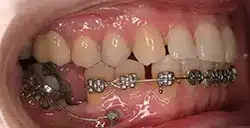
TADs may be recommended to:
- Improve control during complex tooth movement
- Reduce the need for headgear or other bulky appliances
- Increase treatment efficiency in select cases
- Expand orthodontic options when traditional methods are limited
TADs are always used as part of a carefully planned orthodontic strategy and are not needed for every patient.
How Are TADs Placed?
Before placement, a strong local anesthetic is used to numb the gum tissue and surrounding area. Once numb, Dr. Doug gently places the TAD through the gum tissue and into the jawbone. The process is quick and typically completed in just a few minutes.
Most patients report feeling only slight pressure during placement. After a short adjustment period, many patients are barely aware the TAD is present.
TADs are removed once they are no longer needed or when orthodontic treatment is complete. Removal is a simple and comfortable procedure that also takes only a few minutes.
Does TAD Placement Hurt?
Discomfort after placement is usually mild and temporary. If needed, over-the-counter pain relief such as Tylenol® can help manage soreness. Most patients feel back to normal within a day.
If discomfort continues beyond a few days, patients should contact the office for evaluation.
How Do I Care for a TAD?
Caring for a TAD is similar to caring for braces. Good oral hygiene helps keep the area healthy and reduces irritation.
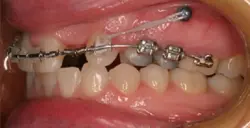
Patients are advised to:
- Brush around the TAD carefully at least three times a day
- Use the antimicrobial mouthwash provided twice daily
- Maintain regular brushing and flossing routines
Our team will provide detailed instructions after placement to ensure proper care.
How Long Do TADs Stay in Place?
TADs remain in place only as long as they are needed to support tooth movement. This may range from a few months to a longer portion of treatment, depending on the orthodontic plan. Once their role is complete, they are easily removed.
Why Are TADs Used at Dr. Doug Orthodontics?
TADs allow for a higher level of precision in orthodontic treatment planning. Dr. Doug uses them selectively to support efficient, controlled tooth movement and to expand treatment possibilities for patients who may benefit from advanced orthodontic techniques.
During your consultation, Dr. Doug will explain whether TADs are appropriate for your case and how they fit into your overall treatment plan.
Schedule a Consultation to Learn More About TADs
If you’ve been told your orthodontic case is complex or you want to understand all available treatment options, we’re here to help.
Contact Dr. Doug Orthodontics to schedule a consultation and learn whether temporary anchorage devices may play a role in your orthodontic care.
Frequently Asked Questions
Patients often have questions about temporary anchorage devices. These FAQs help explain what to expect.
Are TADs Permanent?
No. TADs are temporary and are removed once they have served their purpose.
Will a TAD Set Off Metal Detectors or Cause Issues With Imaging?
No. TADs are small and do not interfere with daily activities or routine imaging.
Can Anyone Get a TAD?
Not every patient needs or is a candidate for TADs. Dr. Doug will evaluate bone health, treatment goals, and overall orthodontic needs before recommending them.
Do TADs Require Special Maintenance?
No special tools are required beyond good brushing habits and the prescribed antimicrobial rinse.
Are TADs Safe?
Yes. TADs have been used safely in orthodontics for many years and are made from biocompatible titanium.